Duck Duck Goose Wildlife Control for Reliable Wildlife Solutions
Duck Duck Goose Wildlife Control for Reliable Wildlife Solutions
Blog Article
Successful Wildlife Removal: Protect Your Home and Estate
Professional animal control services are vital for homeowners experiencing possible injury from pest invasions. These incursions can cause considerable home damage and health hazards. Recognizing the importance of managing animal concerns is critical. Grasping the red flags and knowing when to reach out to expert help can create lasting results. But what are the most typical animal intruders, and how can one effectively defend against them? The answers may surprise you.
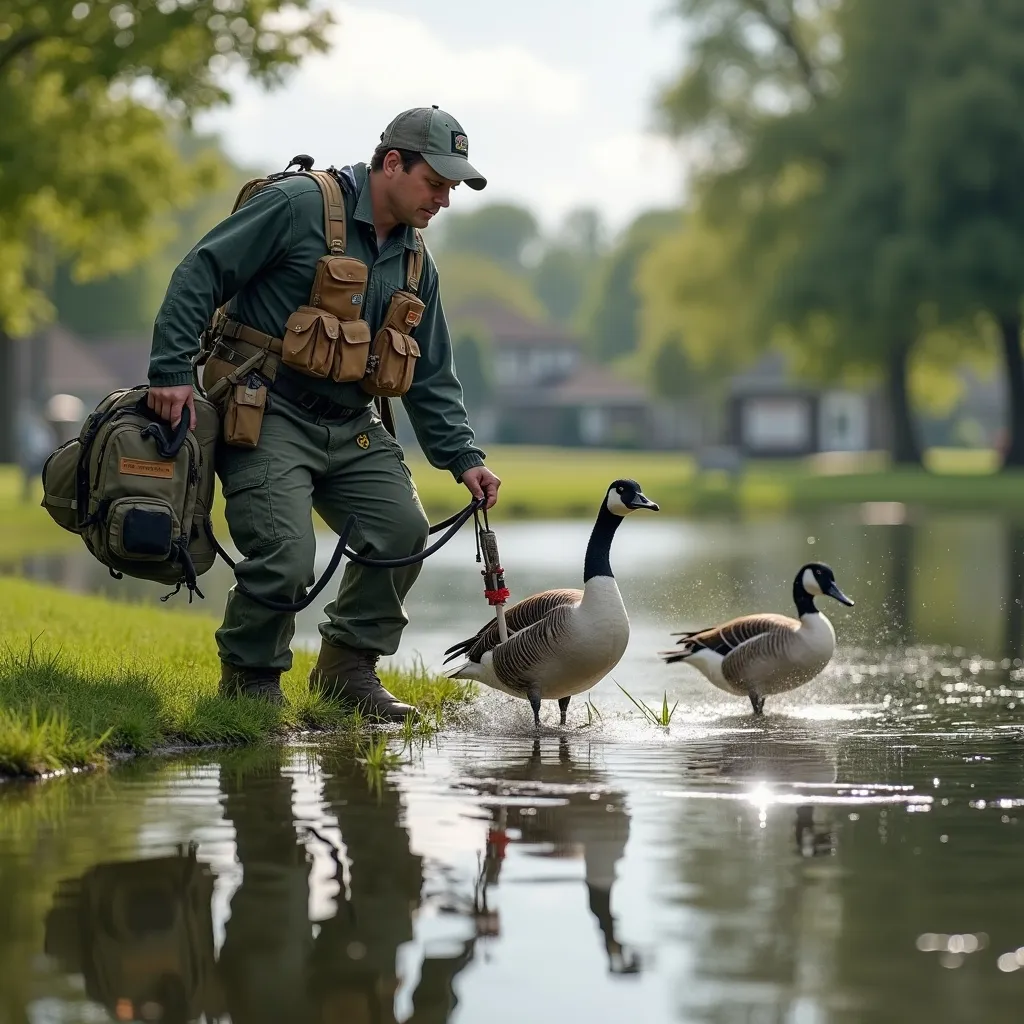
Why You Must Move Quickly Against Wildlife Intrusions
Wildlife invasions can intensify rapidly, leading to significant damage and health risks. When animals invade residential areas, they can compromise structural integrity, gnaw on wiring, and contaminate food sources. Furthermore, the presence of wildlife can introduce diseases, presenting serious health threats to both humans and pets. Immediate intervention is vital to mitigate these risks and avoid further complications.
Disregarding the issue may lead to expensive repairs and extensive clean-up efforts. Furthermore, some organisms can reproduce rapidly, increasing the population and worsening the problem. Timely intervention not only protects property but also ensures a more secure habitat.
Engaging trained removal professionals can deliver efficient strategies designed for particular animal problems. Prompt action is vital to reclaim calm and safeguard homes from the unpredictable character of wildlife trespassing. Ultimately, rapid intervention strategies can markedly diminish the chance of prolonged deterioration and safety risks linked to these encroachments.
Signs That You Have a Animal Problem
How can one determine if an animal issue is present in the vicinity? Multiple signs can suggest the presence of unwanted creatures. Property owners may notice odd noises, such as clawing or scurrying sounds, especially at night. Moreover, droppings or tracks may surface around the home, revealing the type of wildlife present. Deterioration to materials, wires, or wooden structures can also suggest an intrusion, as many creatures search for shelter in attics or basement areas.
Yet another clue includes chewed food wrapping or tipped garbage, indicating scavenging behavior. Likewise, holes or underground passages near the base may suggest entry points for unwanted creatures. Unexplained odor, commonly correlated to nesting or refuse, can be a notable red flag. Recognizing these markers early is paramount for effective pest control and protection, ensuring that residents can intervene appropriately before the situation escalates.
Primary Strengths of Expert Wildlife Extraction Options
Opting for professional wildlife removal services yields numerous advantages for homeowners contending with unwanted animal intrusions. Fundamentally, experts bring advanced expertise and seasoned background, ensuring safe and effective removal of wildlife without causing harm the animals or the property. These professionals harness advanced techniques and tools, which can surmount complex situations that homeowners might not be capable to handle.
Moreover, expert providers often provide thorough inspections to identify potential entry points, helping to prevent future infestations. This preventative strategy not only reduces immediate concerns but also safeguards the home in the long run. Furthermore, many animal control services offer warranties or guarantees, Duck Duck Goose Wildlife Control providing homeowners peace of mind.
Lastly, relying upon professionals curtails the probability of trauma from wildlife encounters, securing a more fortified environment for families and pets. Overall, committing to professional wildlife removal can save moments, stress, and foreseeable property damage.
Recognizing Frequent Wildlife Unwanted Visitors in Your Home
Homeowners frequently face different kinds of wildlife that can intrude upon their living spaces, each presenting distinct problems. Common intruders include raccoons, squirrels, and rodents, which can cause damage if not addressed promptly. Raccoons are famous for pillaging attics and basements, attracted by food sources or shelter. Squirrels often settle in roofs or eaves, creating potential structural damage. Rodents, such as mice and rats, can penetrate homes in search of food, depositing droppings and polluting living areas.
In addition, birds may gain access through open vents or chimneys, introducing noise and mess. Each species introduces specific risks, involving pathogen spread and home deterioration. Recognizing the markers of these entries—such as excrement, nest building supplies, or scratching noises—can help homeowners initiate speedy intervention. Prompt detection is critical in stopping ongoing problems and keeping a safe, healthy home setting.
DIY versus Professional: What Works Best?
When assessing wildlife removal, individuals often weigh the positives of DIY methods against professional services. Cost, security, and long-term effectiveness are important factors shaping this determination. Understanding these factors can aid householders formulate an knowledgeable decision that most appropriately serves their needs.
Cost Assessment For Extraction
Choosing between DIY wildlife removal and contracting a professional can significantly influence both time and finances. Self-help solutions often seem cost-effective, as they usually require minimal upfront expenses, such as buying traps or repellents. Nonetheless, underlying expenses may emerge from potential damages or continuous invasions. Conversely, professional services often charge a higher initial fee but provide expertise, efficiency, and a guarantee of results. Experts have the required equipment and skills to manage multiple animal types safely and effectively, potentially saving homeowners from costly mistakes. Ultimately, the decision copyrights on one’s personal situation, including budget, urgency, and the complexity of the wildlife problem. Weighing these factors can lead to a more informed decision.
Security and Health Threats
Engaging in wildlife removal includes considerable risks to safety and health, especially if individuals choose to do it themselves. Those without training may encounter hostile species, resulting in possible injuries or bites. Moreover, many wildlife species carry diseases such as rabies, hantavirus, or leptospirosis, posing major health risks to those ill-equipped to manage them. Incorrect handling can also cause exposure to parasites like ticks or fleas, further endangering health. On the contrary, professional animal control professionals possess the required knowledge, training, and equipment to manage these threats efficiently. They adhere to safety protocols, ensuring both animal welfare and human safety. Overall, professional expertise lowers the chance of accidents and health issues related to wildlife removal.
Long-Term Effectiveness Elements
The enduring success of pest control methods depends upon various factors, especially when comparing DIY methods with professional services. DIY techniques often miss the knowledge and equipment required for complete elimination and prevention strategies, leading to repeated pest problems. Property owners might unintentionally miss entry points or fail to recognize the indicators of a more serious issue. By contrast, professionals possess advanced expertise and knowledge, enabling them to recognize and resolve issues more efficiently. They also implement preventive measures to minimize future risks. Financial factors may push people toward DIY options, but spending money on professional services can produce superior lasting outcomes. Ultimately, the decision between DIY and professional assistance should be guided by the difficulty of the animal control issue and the homeowner's willingness to invest in a sustainable solution.
Efficient Plans for Stopping Wildlife Encroachments
Establishing solid tactics to prevent animal entries is vital for ensuring your home remains secure and calm. Homeowners should commence by safeguarding possible access openings. This involves sealing gaps in foundations, walls, and roofs, as well as placing screens on ventilation ducts and chimney structures. Furthermore, reducing available food is critical; properly containing waste and disposing of animal feed can keep animals away from nearing your home.
Landscaping matters significantly. Keeping trees well-trimmed and upkeeping a clean yard lowers hiding spots for wildlife. Moreover, employing natural deterrents, like motion sensors or noise devices, can effectively keep animals from entering the property.
Routine checks of the home and surrounding areas allow for the prompt detection of possible problems. In conclusion, informing household members about animal conduct promotes awareness, allowing proactive measures to be taken. By implementing these approaches, homeowners can significantly decrease the likelihood of undesired animal invasions.
What Takes Place During a Wildlife Removal Service?
During a animal control operation, experts begin with a thorough initial inspection to determine the scope of the problem. Following the evaluation, humane trapping methods are utilized to securely trap the animals. Finally, after-removal preventative measures guarantee that subsequent invasions are minimized, safeguarding the property from additional animal problems.
Starting Examination Process
A thorough inspection of the site starts wildlife removal operations to detect signs of pest activity and possible entry locations. Trained experts systematically examine the interior and exterior spaces, searching for droppings, nests, or deteriorated insulation, which suggest the existence of animals. They also evaluate the structural condition of the structure, checking for gaps in eaves, vents, and foundations that may permit wildlife access. This initial assessment may involve the use of advanced tools to detect hidden problems. The information collected during this examination is crucial for developing a customized removal plan, ensuring that the approach tackles the specific wildlife issue effectively while minimizing risks to the property and its inhabitants.
Humane Animal Trapping Methods
Numerous animal control services concentrate on ethical capture techniques to guarantee the safe relocation of animals. These specialists utilize cage traps created to catch wildlife without injury. Typically, food is placed to attract the animal, guaranteeing it enters the trap. Once captured, the animal is monitored to minimize stress and discomfort.
After capturing the creature, the organization evaluates its health and conduct before relocation. This process often involves transporting the animal to a designated area far from human habitation, ensuring it can thrive in a proper habitat. Throughout this process, the focus remains on the care of the animal, obeying local rules and ethical standards. By opting for compassionate trapping, groups promote a balanced coexistence between humans and wildlife.
After-Removal Preventive Techniques
Once the wildlife has been successfully extracted, the next critical phase focuses on prevention to verify that similar issues do not arise in the future. This involves a thorough inspection of the property to locate potential entry points, such as gaps in roofing, vents, or base structures. Sealing these openings with proper materials is essential to deter future wildlife. Moreover, homeowners are advised to preserve a sanitary setting by removing food attractions and litter that could entice creatures. Placing barriers, such as fences or netting, can further protect exposed zones. Routine maintenance and monitoring of the property establish that any signs of animal intrusion are addressed promptly, preserving both home and property from future infestations.
Regularly Asked Questions
What Local Regulations Govern Animal Control Businesses?
Local rules for wildlife removal services usually demand authorizations, compliance with ethical standards, and compliance with state laws pertaining to particular animals. These requirements ensure the safeguarding of both wildlife and the community's health and welfare.
In What Means Can I Safely Stop Animals from Intruding Without Injuring Them?
To safely deter wildlife, one can utilize humane techniques such as motion-sensor lighting, organic deterrents, and locked trash bins. Additionally, maintaining cleanliness reduces attractants, encouraging animals to seek alternative habitats.
When Do Wildlife Incursions Happen Most Often Throughout Specific Seasons?
Wildlife intrusions often peak during spring and fall. Spring delivers young animals seeking food, while fall often sees creatures searching for warmth and shelter, increasing the likelihood of encounters with human habitats during these seasons.
How Can I Proceed if I Spot Unattended Wildlife?
Should you encounter abandoned wild animals, watch from afar, prevent direct contact, and reach out to local wildlife authorities or rehabilitation centers for advice, making sure the creatures obtain appropriate care and support from trained professionals.
How Can I inform My Family About Wildlife Safety?
To communicate with the family about wildlife safety, one could host informative conversations, highlight information about local species, embrace protective outdoor routines, and champion stewardship of wildlife habitats, increasing understanding and mindful interactions with nature.
Report this page